
Zipline Safety Unlocked: How Safe Is Ziplining? Understanding the Engineering Behind Every Ride

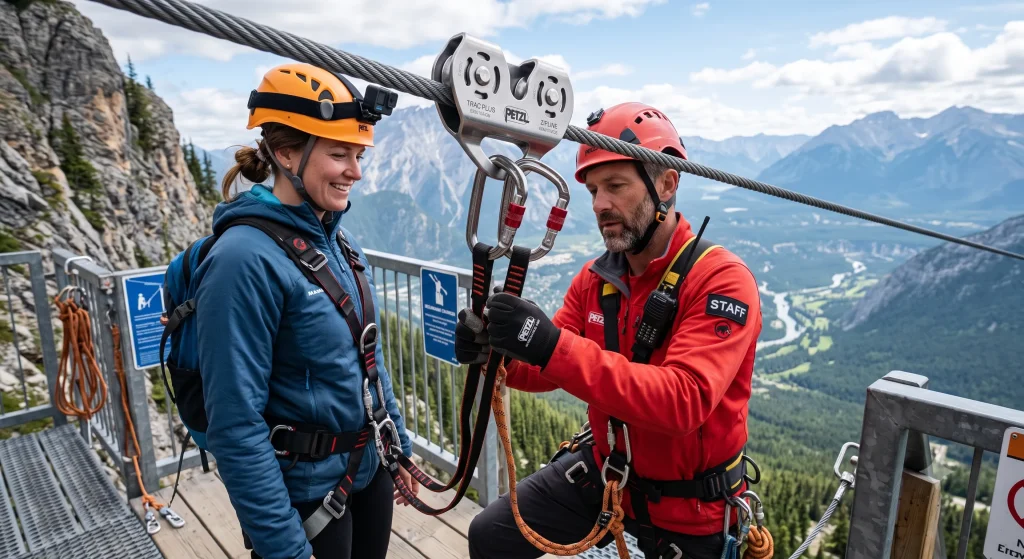
Table of Contents
- Safety Begins Long Before You Arrive
- Why Double-Cable Systems Matter
- Understanding Zipline Safety Gear
- How Zipline Braking Systems Work
- International Safety Standards
- What Do the Statistics Say?
- How to Choose a Safe Zipline Operator
- Final Thoughts
- Frequently Asked Questions
The first time most people stand on a zipline platform, they don’t question the view.
They question the cable.
Can it really hold my weight?
What if the harness fails?
How do I stop at the other end?
These questions are completely natural. Our brains are designed to be cautious around heights, especially when we’re about to step off a platform hundreds of feet above the ground.
The reassuring truth is that commercial ziplining is not based on luck or blind trust.
It is based on engineering.
Every professionally operated zipline combines carefully designed structural systems, multiple safety redundancies, routine inspections, and internationally recognized operating procedures. The goal is simple: ensure every participant enjoys the experience with the highest possible level of safety.
Let’s look at what happens behind the scenes.
Safety Begins Long Before You Arrive
A commercial zipline is much more than a steel cable stretched between two platforms.
It is a complete engineered system.
Every component is selected to work together, including:
- High-strength steel cables
- Secure anchor structures
- Certified harnesses
- Industrial-grade carabiners
- Trolleys designed for controlled movement
- Braking systems
- Backup safety connections
Before a course opens each day, trained staff inspect critical equipment and verify that all systems are functioning as intended.
Safety is not a single feature.
It is a combination of multiple independent protections.
Why Double-Cable Systems Matter
Many modern adventure parks use a double cable zipline system.
Instead of relying on one cable alone, two separate cables provide additional security.
Typically:
- The primary cable supports the rider.
- The secondary cable acts as an independent backup safety connection.
This layered design helps reduce risk by ensuring that no single component is solely responsible for participant safety.
Redundancy is a fundamental principle in engineering, and zipline systems apply this principle throughout the entire experience.
Understanding Zipline Safety Gear
Professional zipline safety gear is designed specifically for adventure activities.
Your equipment usually includes:
Harness
A full-body or sit harness distributes your weight comfortably and securely during the ride.
Helmet
Protects against accidental impacts during boarding, landing, or unexpected movement.
Locking Carabiners
Industrial locking connectors prevent accidental opening while under load.
Pulley System
Specialized trolleys allow smooth movement across the cable while minimizing wear and vibration.
Each piece of equipment is inspected regularly and replaced according to the manufacturer’s recommendations.
How Zipline Braking Systems Work
One of the most common questions first-time riders ask is:
“How do I stop?”
Professional operators use carefully designed zipline braking systems that control your speed before you reach the landing platform.
Depending on the course, braking may involve:
- Spring braking systems
- Gravity-based slowing zones
- Automatic braking devices
- Trained guides assisting with controlled landings
These systems are engineered to provide a smooth and predictable finish rather than a sudden stop.
Participants are also briefed on proper landing posture before every ride.
International Safety Standards
Professional adventure operators often follow internationally recognized safety frameworks.
Commonly referenced standards include:
- ACCT (Association for Challenge Course Technology)
- EN 15567 (European standard for ropes courses and aerial adventure parks)
These standards address important areas such as:
- Structural engineering
- Equipment inspection
- Operational procedures
- Staff qualifications
- Emergency response planning
- Maintenance schedules
Although local regulations may differ between countries, reputable operators frequently align their practices with these internationally accepted guidelines.
What Do the Statistics Say?
When people search for “is ziplining safe statistics,” they’re usually trying to answer one question:
Is the activity itself dangerous?
Commercial ziplining has a strong safety record when operated by experienced providers using certified equipment and established inspection procedures.
Most reported incidents historically have been associated with factors such as:
- Failure to follow operating procedures
- Inadequate maintenance
- Unqualified operators
- Participant disregard for safety instructions
This reinforces one important lesson:
Choosing a reputable operator matters far more than the activity itself.
How to Choose a Safe Zipline Operator
Before booking your adventure, take a few minutes to evaluate the provider.
Look for:
- Certified equipment
- Regular inspection programs
- Experienced instructors
- Comprehensive safety briefings
- Weight-based participation guidelines
- Transparent operational procedures
- Positive customer reviews
A trustworthy operator welcomes safety questions and explains their procedures clearly.
Transparency is often a sign of professionalism.
Final Thoughts
Fear before your first zipline ride is perfectly normal.
But fear should be guided by facts, not assumptions.
Commercial ziplining is built around the principle of engineering redundancy. Every cable, harness, braking system, inspection routine, and safety briefing exists to reduce risk and create a controlled adventure experience.
When you choose a professionally managed operator, you’re placing your trust not in luck—but in carefully tested equipment, trained experts, and internationally recognized safety practices.
Before planning your next adventure, explore “Gravity Meets Grace: The Best Valley and Canopy Ziplines with Jaw-Dropping Views” for destination inspiration, read “Is Bungee Jumping Safe? A Deep Dive into Operator Certifications and Backup Cord Systems” to learn how other adventure activities manage risk, and browse Adhreline’s Marketplace Directory of Safety-Verified Zipline Operators to compare trusted providers across India.
Confidence grows when you understand how the system works.
Once you do, the only thing left to focus on is the incredible view waiting on the other side.
Frequently Asked Questions
How safe is commercial ziplining?
Commercial ziplining is generally very safe when operated by certified providers using inspected equipment, trained staff, and established safety procedures.
What is a double-cable zipline system?
A double-cable system uses a primary load-bearing cable along with an independent backup safety cable, providing an additional layer of protection.
What safety gear is used during ziplining?
Participants typically wear a certified harness, helmet, locking carabiners, and specialized trolley systems designed for controlled movement along the cable.
How do zipline braking systems work?
Depending on the course, braking may use gravity-assisted slowing, spring brakes, automatic braking devices, or trained guides to ensure a smooth landing.
How can I choose a safe zipline operator?
Look for certified equipment, regular inspections, experienced instructors, transparent safety procedures, and positive customer feedback before booking.