Sacred Ridges: How to Pack Light for High-Altitude Pilgrimages Without Sacrificing Safety

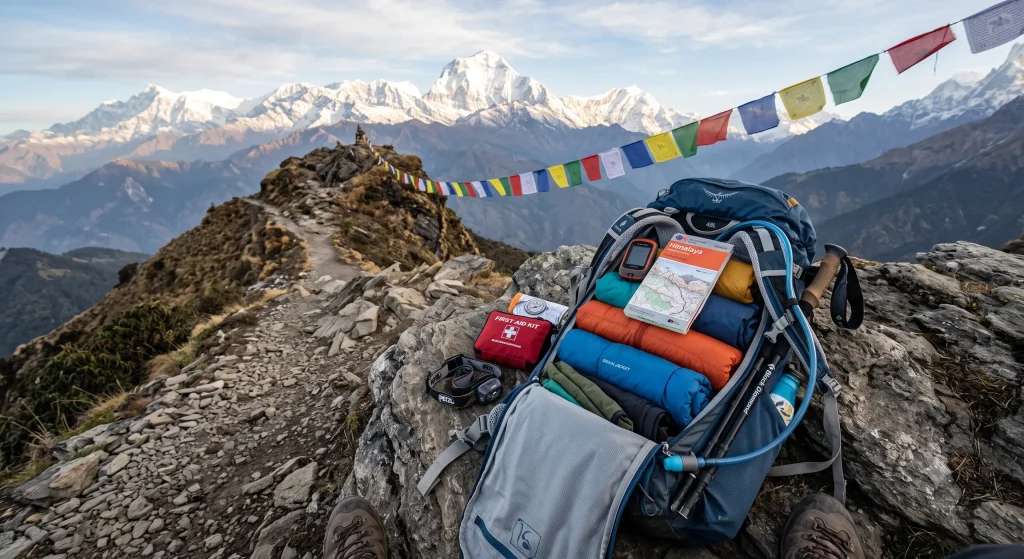
Table of Contents
- Why a Lighter Backpack Makes You Safer
- The Layering System: Wear Smarter, Not Heavier
- Essential High Altitude Gear Checklist
- Pack Like a Minimalist
- Keep Heavy Items Close to Your Back
- Safety Items You Should Never Leave Behind
- Final Thoughts
- Frequently Asked Questions
One of the most common mistakes first-time high-altitude trekkers make is believing that carrying more gear automatically means greater safety.
In reality, the opposite is often true.
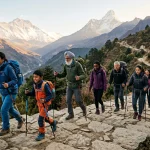
Every extra kilogram on your back increases fatigue, places additional stress on your knees and ankles, and makes steep ascents noticeably harder. After several hours of climbing through Himalayan trails, even unnecessary items that seemed useful at home begin to feel like a burden.
A successful high altitude pilgrimage packing list isn’t about packing everything you own—it’s about carrying everything you truly need.
The goal is simple: travel lighter while remaining fully prepared for changing weather, altitude, and emergencies.
Whether you’re heading to sacred routes in Uttarakhand, Himachal Pradesh, Ladakh, or Sikkim, thoughtful packing allows you to walk more comfortably, conserve energy, and focus on the journey rather than the weight on your shoulders.
Why a Lighter Backpack Makes You Safer
A lighter backpack doesn’t just improve comfort—it improves safety.
When your load is balanced and manageable, you experience:
- Less strain on knees and lower back.
- Better balance on rocky and uneven trails.
- Lower energy consumption during long ascents.
- Reduced risk of slips and fatigue-related accidents.
- More enjoyment throughout the journey.
For most multi-day Himalayan pilgrimages, aim for a backpack weighing 8–10 kg, excluding water. Every item should have a clear purpose, and if possible, serve more than one function.
Remember the golden rule:
Don’t pack for every possibility—pack for the most likely challenges.
The Layering System: Wear Smarter, Not Heavier
Mountain weather changes rapidly. Carrying several bulky jackets is unnecessary if you understand layering.
A simple three-layer clothing system works well for most high-altitude pilgrimages.
Base Layer
This sits next to your skin and manages moisture.
Choose:
- Moisture-wicking thermal tops
- Quick-dry trekking T-shirts
- Lightweight thermal leggings
Avoid cotton, as it retains moisture and can increase the risk of getting cold.
Mid Layer
This provides insulation.
Good options include:
- Lightweight fleece jacket
- Synthetic insulated jacket
These trap body heat without adding excessive weight.
Outer Layer
Protect yourself from wind and rain with:
- Waterproof shell jacket
- Lightweight rain trousers
A compact waterproof layer often weighs far less than carrying multiple heavy jackets.
Essential High Altitude Gear Checklist
Your essential high altitude gear should focus on safety, comfort, and efficiency.
Clothing
- Thermal base layers
- Lightweight trekking pants
- Down or synthetic insulated jacket
- Waterproof shell
- Warm cap and gloves
- Extra trekking socks
Footwear
- Broken-in trekking boots
- Lightweight camp sandals
- Gaiters (where snow or mud is expected)
Safety Equipment
- Headlamp with spare batteries
- Compact first-aid kit
- Emergency whistle
- Multi-tool
- Space blanket
- Sunscreen and sunglasses
Navigation & Hydration
- Offline GPS maps
- Printed route map
- Power bank
- Reusable water bottles or hydration bladder
- Water purification tablets or portable filter
These essentials provide the right balance between preparedness and portability.
Pack Like a Minimalist
One of the easiest ways to reduce backpack weight is to eliminate duplicates.
Ask yourself:
Can this item perform more than one job?
Examples include:
- A trekking pole that also supports your shelter.
- A Buff that works as a scarf, sun protection, and head covering.
- Dry bags that organize clothing while protecting it from rain.
- Lightweight microfiber towels that dry quickly and occupy minimal space.
Minimalism isn’t about sacrificing comfort.
It’s about removing unnecessary weight that slows you down.
Keep Heavy Items Close to Your Back
Proper backpack organization is just as important as the equipment itself.
A balanced load improves stability and reduces shoulder strain.
Packing Order
Bottom
- Sleeping bag
- Spare clothing
Middle (closest to your back)
- Food
- Cooking equipment
- Water
Top
- Rain jacket
- First-aid kit
- Snacks
- Gloves
External Pockets
- Water bottle
- Headlamp
- Navigation tools
- Sunscreen
Keeping frequently used items easily accessible prevents unnecessary unpacking on the trail.
Safety Items You Should Never Leave Behind
Packing light should never mean removing critical safety equipment.
Always carry:
- Personal medications
- Basic first-aid supplies
- Emergency blanket
- Headlamp
- Whistle
- Waterproof matches or lighter
- Phone with offline maps
- Backup power bank
If you’re trekking in remote regions with limited mobile coverage, consider carrying a satellite communication device or trekking with a certified local guide familiar with the route.
Safety always takes priority over saving a few hundred grams.
Final Thoughts
Packing for a high-altitude pilgrimage is an exercise in balance.
Carry too much, and you’ll waste energy fighting your backpack.
Carry too little, and you may be unprepared for rapidly changing mountain conditions.
The best approach is thoughtful simplicity.
Choose reliable equipment, wear a layered clothing system, organize your backpack efficiently, and never compromise on essential safety gear.
Before setting out, explore “The Toughest Mountain Pilgrimage Trails: Challenges Built for Adventure Purists” to understand the demands of India’s most challenging sacred routes, review “The Solo Hiker’s Safety Blueprint” for navigation and emergency planning, and visit Adhreline’s Premium High-Altitude Gear Rentals & Certified Local Porter Services to access professional equipment, experienced porters, and trusted mountain experts.
A lighter backpack doesn’t just make the climb easier.
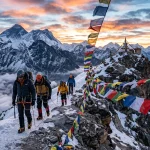
It gives you the freedom to notice the prayer flags fluttering in the wind, the silence of alpine valleys, and the sacred beauty waiting beyond every ridge.
Walk lighter.
Walk safer.
Walk with intention.
Frequently Asked Questions
What should I pack for a high-altitude pilgrimage?
Carry moisture-wicking clothing, layered insulation, waterproof outerwear, sturdy trekking boots, navigation tools, a first-aid kit, hydration equipment, and emergency safety essentials.
How heavy should my backpack be?
For most multi-day Himalayan pilgrimages, aim for approximately 8–10 kg, excluding water, while ensuring you carry all necessary safety equipment.
Is lightweight gear worth the investment?
Yes. Lightweight equipment reduces fatigue, improves balance, and makes long mountain ascents significantly more comfortable.
What clothing system is best for high-altitude trekking?
A three-layer system consisting of a moisture-wicking base layer, insulating mid-layer, and waterproof outer shell provides excellent flexibility in changing mountain weather.
Should I hire a porter for a Himalayan pilgrimage?
For longer or more demanding routes, certified porter services can reduce physical strain and allow you to enjoy the journey while carrying only your day essentials.