High Altitude Trekking Preparation: How to Prepare Your Mind and Body for a Multi-Day Hiker Yatra

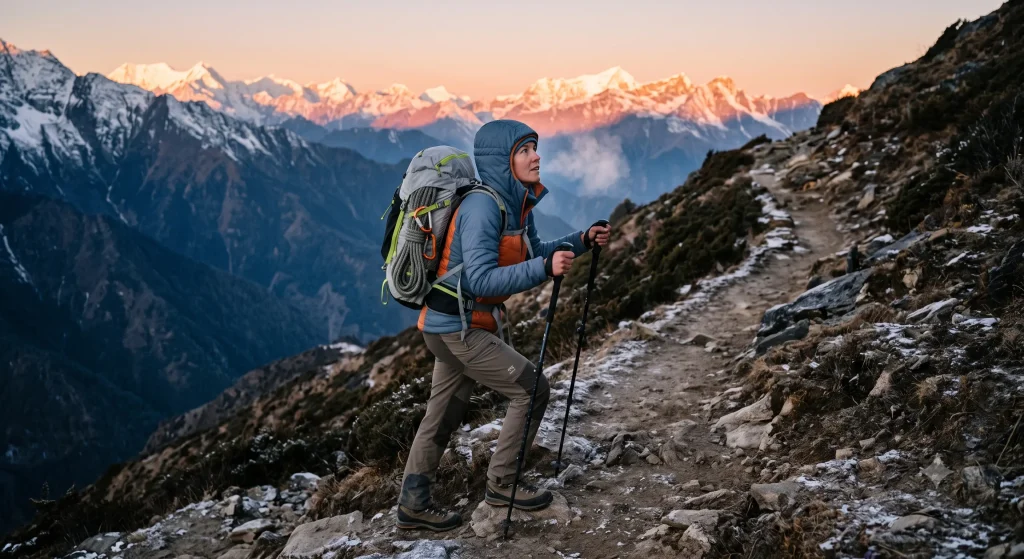
Table of Contents
- Build Your Physical Foundation
- Learn to Control Your Breathing
- Understand Altitude Acclimatization
- Train Your Mind as Well as Your Body
- Essential Preparation Checklist
- Final Thoughts
- Frequently Asked Questions
Standing at 3,500 metres (11,500 feet) above sea level feels very different from taking a walk through your local park. The air contains significantly less oxygen, every uphill step demands more effort, and even simple tasks like adjusting your backpack can leave you breathing heavily. This is why high altitude trekking preparation is about much more than physical fitness—it’s about preparing your body and your mind to work efficiently in challenging conditions.
A HikerYatra isn’t a race to the summit. It’s a journey of endurance, patience, and respect for the mountains. With the right preparation, you’ll not only reduce your chances of fatigue and altitude sickness but also enjoy the breathtaking landscapes of Uttarakhand, Himachal Pradesh, Ladakh, and other high-elevation destinations with confidence.
Build Your Physical Foundation
The best high altitude training for beginners starts long before the trek begins. Ideally, begin training 12 to 16 weeks in advance.
Your focus should be on building aerobic endurance rather than explosive speed.
Weekly Training Plan
- 3 days: Brisk walking, jogging, or cycling for 45–60 minutes.
- 2 days: Strength training focusing on legs and core.
- 1 day: Long hike carrying a light backpack.
- 1 day: Recovery through stretching, yoga, or light walking.
Strength exercises such as lunges, step-ups, squats, planks, and stair climbing prepare your muscles for steep ascents and demanding descents. Consistent, low-intensity cardio improves your body’s ability to use oxygen efficiently—one of the biggest advantages at higher elevations.
Learn to Control Your Breathing
Many first-time trekkers become exhausted because they breathe too quickly during climbs.
Practice slow, deep breathing before your trip.
A simple technique is:
- Inhale deeply through your nose.
- Exhale slowly through slightly pursed lips.
- Match your breathing to your walking rhythm.
Maintaining a steady breathing pattern helps conserve energy, improves oxygen intake, and reduces panic during difficult climbs. Instead of rushing, find a comfortable pace that you can maintain for hours.
Understand Altitude Acclimatization
No amount of gym training can completely prepare your body for reduced oxygen levels.
Acclimatization is essential.
Watch for Early Symptoms of Altitude Sickness
- Mild headache
- Fatigue
- Loss of appetite
- Dizziness
- Difficulty sleeping
Ignoring these symptoms can lead to more serious altitude-related illnesses.
Tips to Prevent Altitude Sickness
- Ascend gradually whenever possible.
- Drink 4–5 litres of water each day.
- Avoid alcohol before and during the trek.
- Eat regular, carbohydrate-rich meals.
- Rest whenever your guide recommends.
Remember, reaching the summit is never more important than protecting your health.
Train Your Mind as Well as Your Body
High-altitude trekking is as much a mental challenge as a physical one.
There will be moments when your legs feel heavy, the weather changes unexpectedly, or the trail seems endless.
Instead of focusing on the entire climb, break the journey into smaller goals.
Reach the next bend.
Then the next rock.
Then the next rest point.
These small victories build confidence and keep your motivation high throughout the trek.
It’s also helpful to practice walking without constant distractions. Leave your headphones at home during training hikes and become comfortable with silence. This simple habit prepares you for the peaceful rhythm of a multi-day HikerYatra.
Essential Preparation Checklist
Before leaving for your trek, ensure you have:
- Comfortable trekking boots that are already broken in.
- Layered clothing suitable for changing weather.
- Trekking poles for better balance.
- Reusable water bottles or hydration bladder.
- Personal first-aid kit.
- Sunglasses, sunscreen, and a warm cap.
- Energy snacks and electrolyte supplements.
- Offline navigation and emergency contact information.
Good preparation reduces stress and allows you to focus on the experience instead of unexpected problems.
Final Thoughts
A successful high-altitude trek isn’t determined by who walks the fastest—it’s earned through preparation, patience, and respect for the mountains. Building endurance, practicing efficient breathing, understanding altitude acclimatization, and strengthening your mindset will make every step safer and more enjoyable.
Before your journey, explore “Demystifying HikerYatras: Why Mindful, Local-Guided Trekking is the Ultimate Modern Escape” to understand the philosophy behind slow mountain travel, review “The Solo Hiker’s Safety Blueprint” for essential safety systems, and browse Adhreline’s Marketplace Directory of Certified High-Altitude Guides to connect with experienced professionals trained in wilderness safety and responsible mountain travel.
The mountains reward preparation. Arrive ready, walk mindfully, and let every step become part of an unforgettable HikerYatra.
Frequently Asked Questions
How long should I train before a high-altitude trek?
Start preparing at least 12–16 weeks before your trek to build endurance, strength, and cardiovascular fitness.
How can beginners prepare for high-altitude trekking?
Focus on regular cardio, leg strengthening, breathing exercises, hydration, and gradual acclimatization during the trek.
What are the early signs of altitude sickness?
Common symptoms include headache, dizziness, nausea, unusual fatigue, loss of appetite, and difficulty sleeping.
Is mental preparation important for mountain trekking?
Absolutely. Staying calm, setting small goals, and maintaining a steady pace are essential for enjoying and completing a high-altitude trek safely.
What is the most important rule for high-altitude trekking?
Listen to your body. If symptoms worsen, descend immediately and seek medical assistance when necessary.